
From the Board of Directors
The Merc Co+op is a cooperative
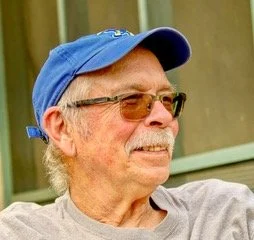
Mark Sprague, Board Member
Growing up and later living in the country, I became aware of cooperatives early on. My parents got our electricity and phone service from cooperatives. From our rented farm house we could see the grain elevator, over a mile away, that was owned by the local farmer’s co-op. After my wife, Mickey, and I got married, we both worked for the Brown Co. Co-op which owned and operated that elevator. That year of weighing grain, and unloading countless trucks, while talking to farmers taught me a great deal about how cooperatives aided their lives. The elevator was bought by farmers when there were only 5 large companies that controlled the storage and handling of grain. This allowed them to seek and obtain higher prices for their products. The cooperative also sold supplies, fertilizer, seed and fuel at prices that were more competitive than the larger conglomerates. At the end of the year, part of the profits were paid back to the member/owners in patronage. By the way, my grandfather managed that elevator back in the 30s, long before before the co-op was formed.
We moved twice since then, to a small town, then to our present country home. In that time, we have been member/owners of three electric and phone service cooperatives. I also served as treasurer for our local Rural Water District. These services might never have been available if not for those cooperatives who planted the poles, hung the lines and laid miles of pipes. These were not big money making ventures compared to more densely packed cities.
We also joined two food cooperatives back in the 70s, the Topeka Food Co-op and The Community Mercantile we now call The Merc Co+op. We were vegetarians at the time and we depended on them to get the supplies we needed. Tofu, yogurt and clean, organic grains and foods were unavailable anywhere else.
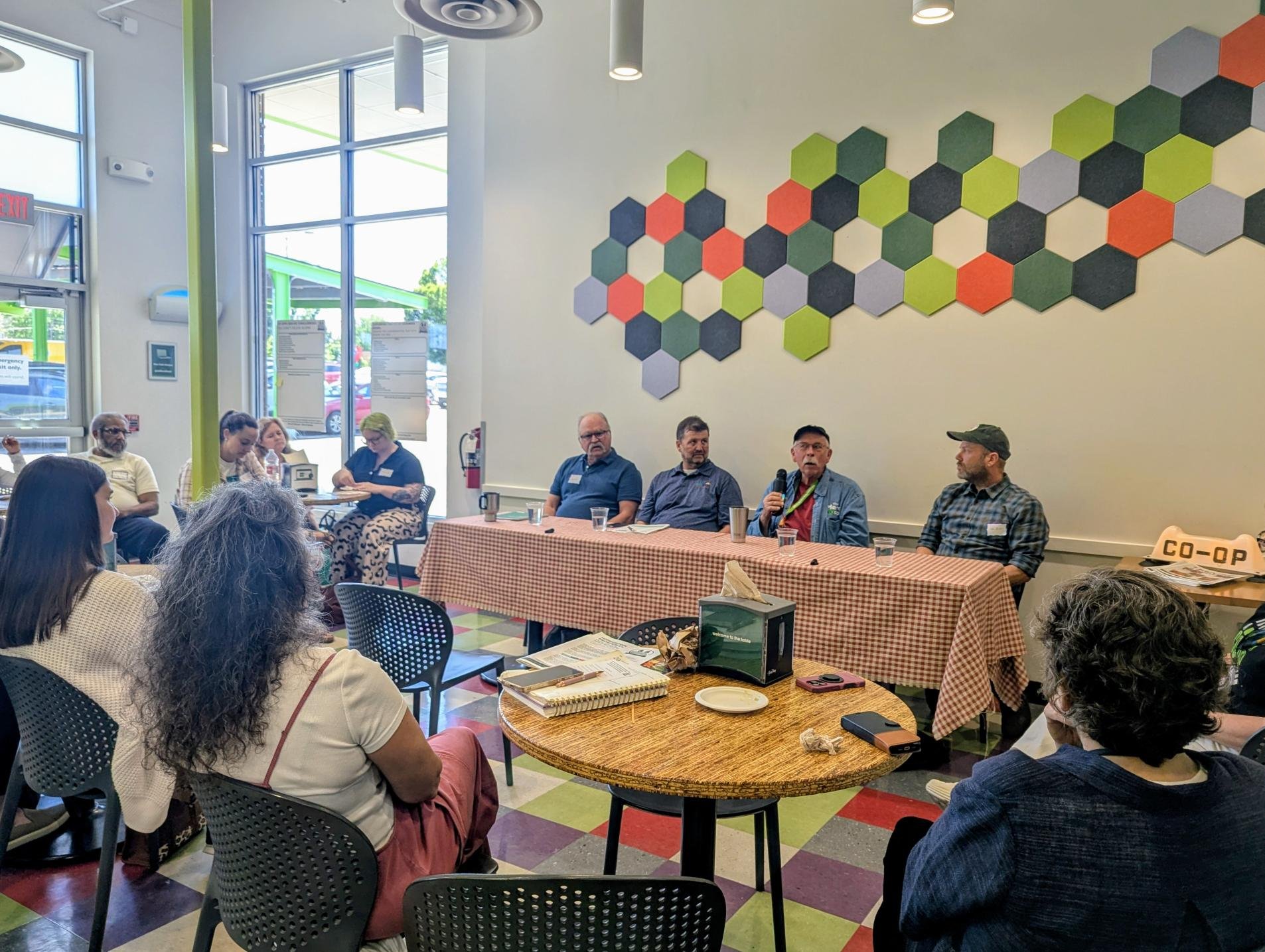
Homegrown Prosperity Open House at The Merc Co+op May 20, 2026
I wanted to share this, because on May 20, I was part of a panel of representatives from several different cooperatives, sponsored by the Kansas Farmers Union (another farmers co-op founded in 1907). This was part of their new program called Homegrown Prosperity where they are prepared to identify and help groups where a cooperative might be a solution to a community’s problem.
Among the participants on the panel were a representative for FreeState Electric Cooperative, Central Plains Organic Farmers Association and the Kansas City Food Hub.
All participants agreed cooperatives were tools for solving problems faced by different communities. Nationally, there are cooperatives for child care, housing (my father lived in a cooperative on Tennessee St. while at KU) and banking. Small businesses have formed co-ops to help compete with large corporations. ACE hardware is a cooperative of smaller stores. The Merc is a member of National Co+op Grocers which is made up of 167 individual coops, which give us similar purchasing power as Whole Foods or Dillons.
I also noticed that despite the different purposes of the co-ops represented, each one held to the 8 Cooperative Principles as the bedrock of their organizations:
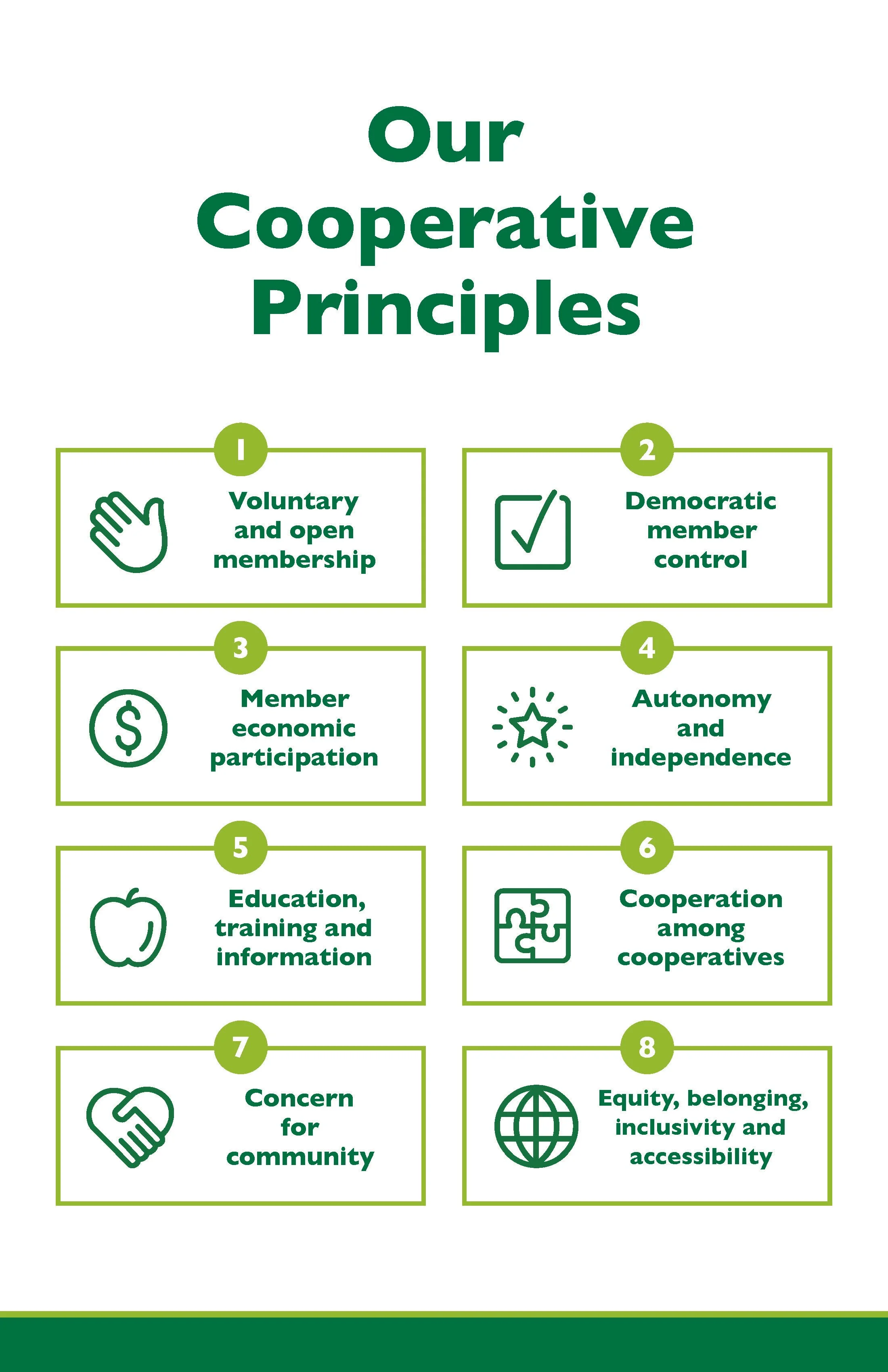
These principals are the foundation for how The Merc Co+op is organized and governed and reflected in our Ends Statement. As long as a we adhere to these, I believe our cooperative will be successful at solving challenges.
As noted earlier, the need for local, organic food was the initial problem that led to forming The Merc. We continue to offer a robust offering of organic and around a quarter of what we sell is from local producers (within 200 miles, not just any neighboring state).
Because of our Ends, we try to raise the bar on other issues. We are the sole grocer in town offering “livable wages.” Our solar array on the roof and over the parking lot continues our work on lowering our use of fossil fuels. We contribute and assist in many community organizations. It led us to open the store in Kansas City to improve access to heathy food in a challenged neighborhood.
Actively addressing these issues and others is why I love The Merc Co+op and have continued to serve on its board. When you see us in the store, tabling or just shopping, please let us know what other issues we should face next.
One more thought: Run for the Board!
Senator Marci Francisco, a former Merc board member, attended part of the discussion of cooperatives. She and I chatted about what a “springboard” to prominence serving on the Board of Directors was. We counted at least two state representatives, two Mayors and one Senator from the ranks of board members.