
From the Board of Directors
Consumer Cooperative Management Association (CCMA) Conference, 2026
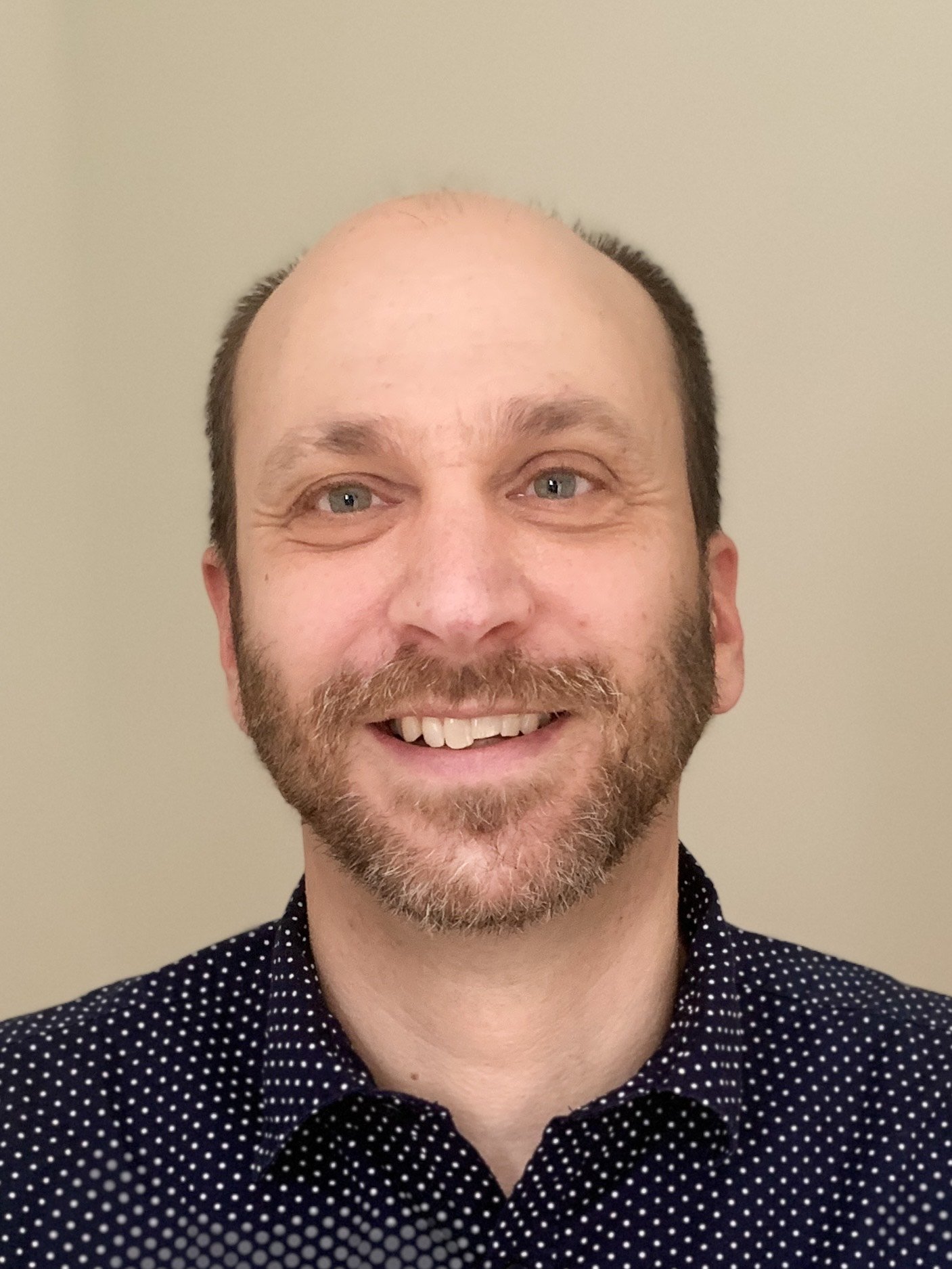
Brad Rossini, Treasurer
I once had a Chef I worked under who would say, “Restaurants were the first businesses in the world.” The point he is making is that food is the need that inspired people to join together to become a community. The broader co-op model was born when communities banded together with that same sense of providing communal needs.
In May, some Board members and our General Manager, Seth Naumann, had the opportunity to attend the CCMA Conference in Tacoma, WA. The Consumer Cooperative Management Association (CCMA) is the longest-standing national gathering of retail food co-op leaders in the US. It’s an inclusive space that welcomes a broad range of food co-op leaders; from managers and staff to board members and cooperative allies. The goal is to learn, connect, collaborate and refuel to execute the hard work of empowering communities and building a more just and sustainable food system through a cooperative model.
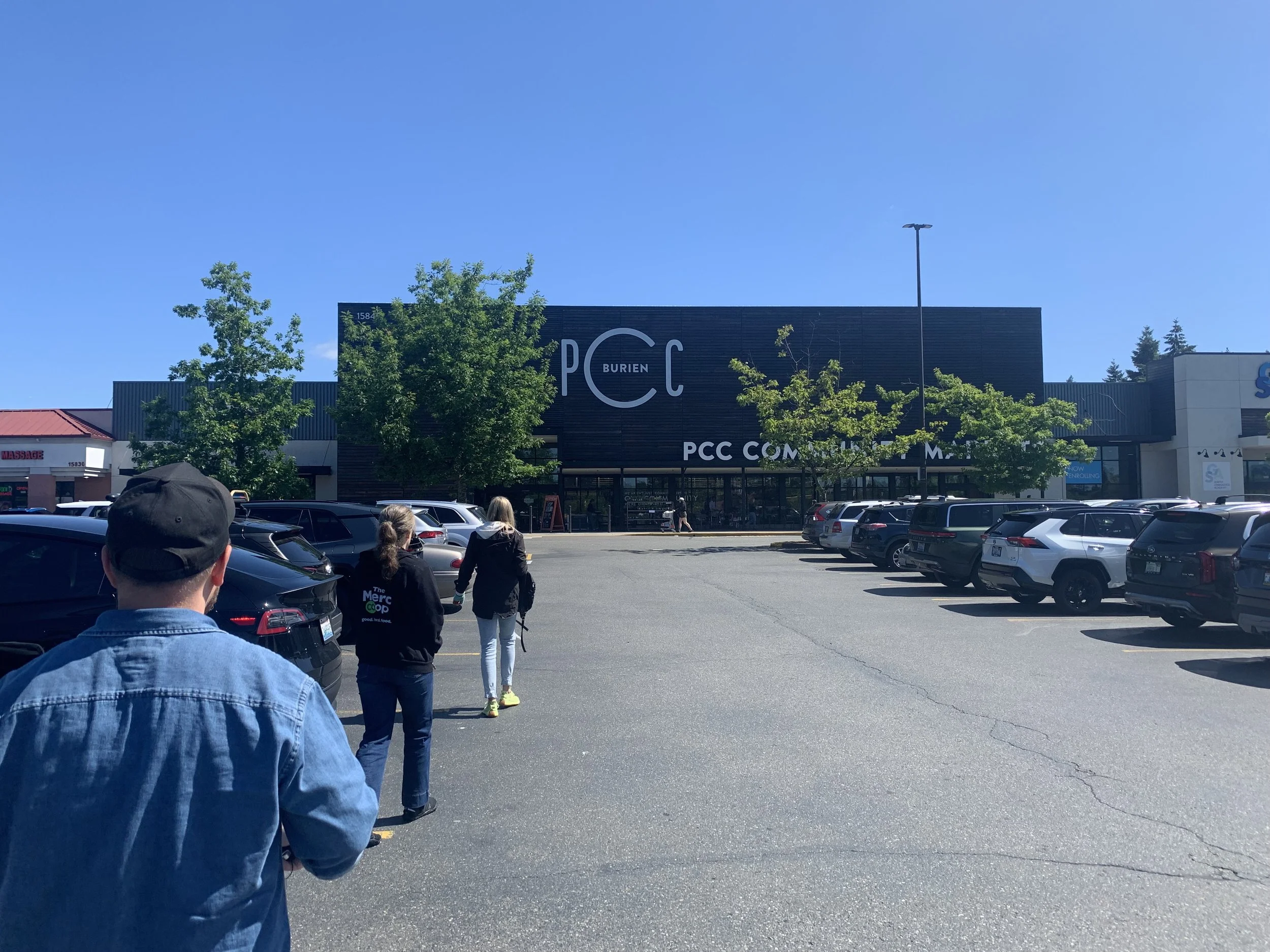
Seth, Alison and Emily heading into PCC Community Markets.
As you may know, the co-op model goes back many generations. And has been created around the needs of each community’s individuality. We began our conference with a tour of co-ops in Tacoma and Olympia. Among the stops on the tour were a co-op bakery, coffee roaster and record store. We also learned about a co-op caregiver model. Before we even set foot in a conference room, we were immersed into the broader scope of how people use a cooperative model to provide a good or service to their communities. It keeps them in control of the company’s principals and allows small businesses to thrive by sharing resources. It really reinforced the engine and compass that drives each co-op. I began to think about how many more co-op models are active in and around Lawrence. I think about grain cooperatives and housing cooperatives. I bet you know about a few more if you really think about it.
The conference officially started off with a topic that forced co-ops to cooperate with each other. Three different co-ops in Minneapolis shared their stories on how they managed the situation when ICE presence surged in their city. It was fascinating to hear them recount how they navigated responses from their community, staff and peers. These strong managers were able to be nimble by using each other as a resource to learn best practices for the safety of their business and staff. One can’t prepare for every situation. But the power of the co-op community proved to show how strong we can be when we work together.

Consecutive sessions dove into Strategic Planning, Co-op History, Connecting with Farmers, Preparing to Expand and much more. Our very own General Manager Seth Naumann and former General Manager Rita York Hennecke presented to a full room as they led us through Succession Planning Through a Culture of Coaching. One goal of any GM is to develop their management team, so they have a strong assistant and potential successor. There is an active role for the Board as they can help their GM develop a plan to find emerging talent and evaluate candidates as they seek growth opportunities within the company. Fellow Board members attending this session gained a better understanding of the importance of mentoring and how we all have an active role in guidance and support.
Several sessions discussed the Board and GM relationship and how we can uncover better and better ways that we can work together. At times this is exercising our soft skill of creating a psychological safe space for each other. This was a key take-home for me at the conference. The idea of listening regularly with the intent to support, not to teach or coach. Over time, this allows the other person to feel safe to seek collaboration, allowing for us to work together and reach new heights.
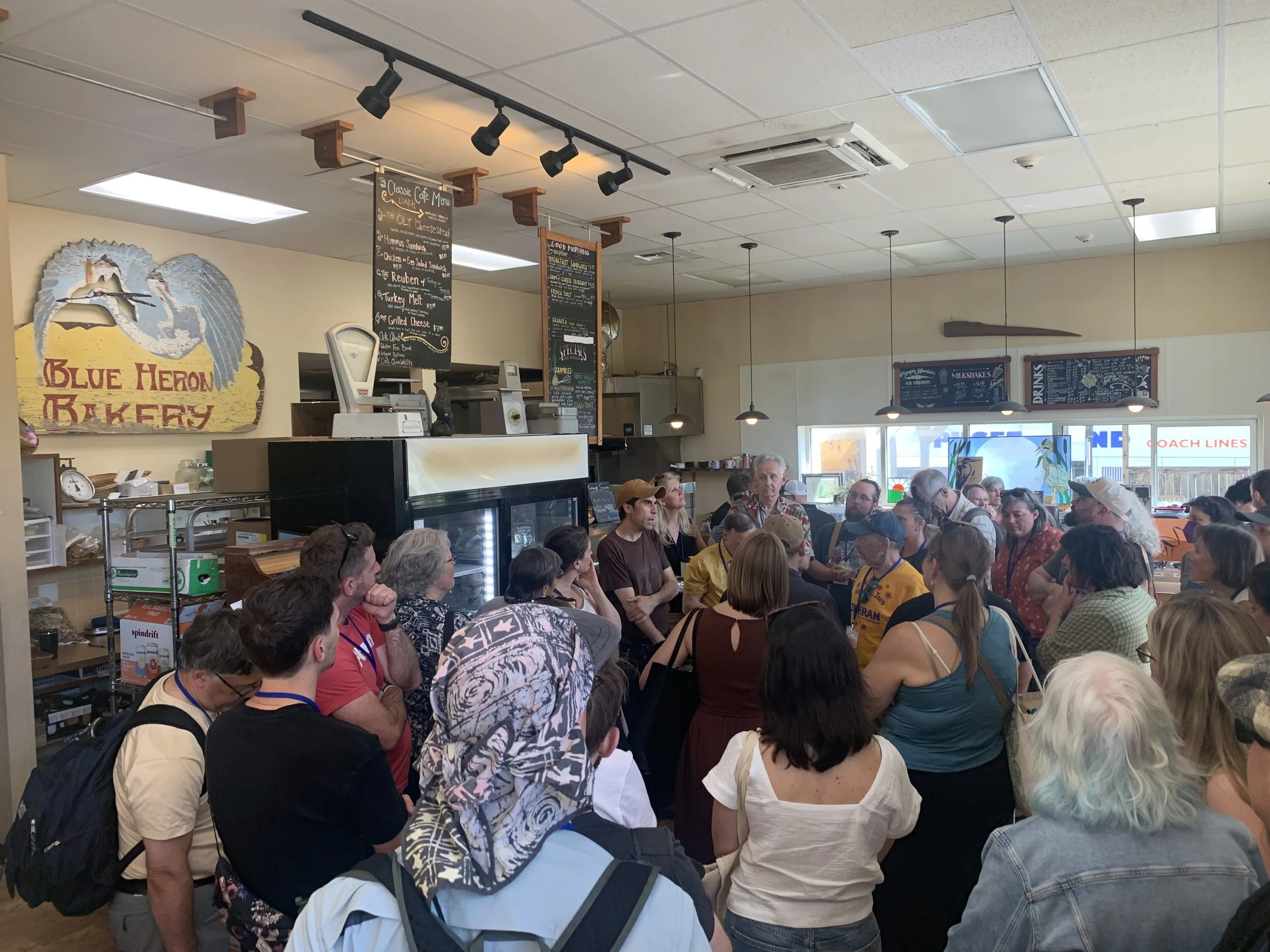
Touring cooperatively-owned Blue Heron Bakery during the conference.
Between sessions and during meals was a time to get to know other co-ops from around the country. Some larger, some smaller, some vegetarian, some with many locations. They say that if you know one co-op, you know one co-op. Each had its own story and style. Each tailored to their communal needs. It made us all reflect on The Merc Co+op and what our role is in our own community.
I think I can speak for the other Board Members that attended this year’s CCMA conference that we brought back insights on business, strategies of style and necessary dynamics so we can best represent the owners of The Community Mercantile. We’re all recharged with clearer direction to continue The Merc’s story in supporting community.