It is the co-op’s vision to support and strengthen community connections with our local producers — so here are their stories! In this Meet Your Producer series, we will highlight our neighborhood farmers, ranchers and producers so you can see and hear what they’re all about.
Hildebrand Farms Dairy
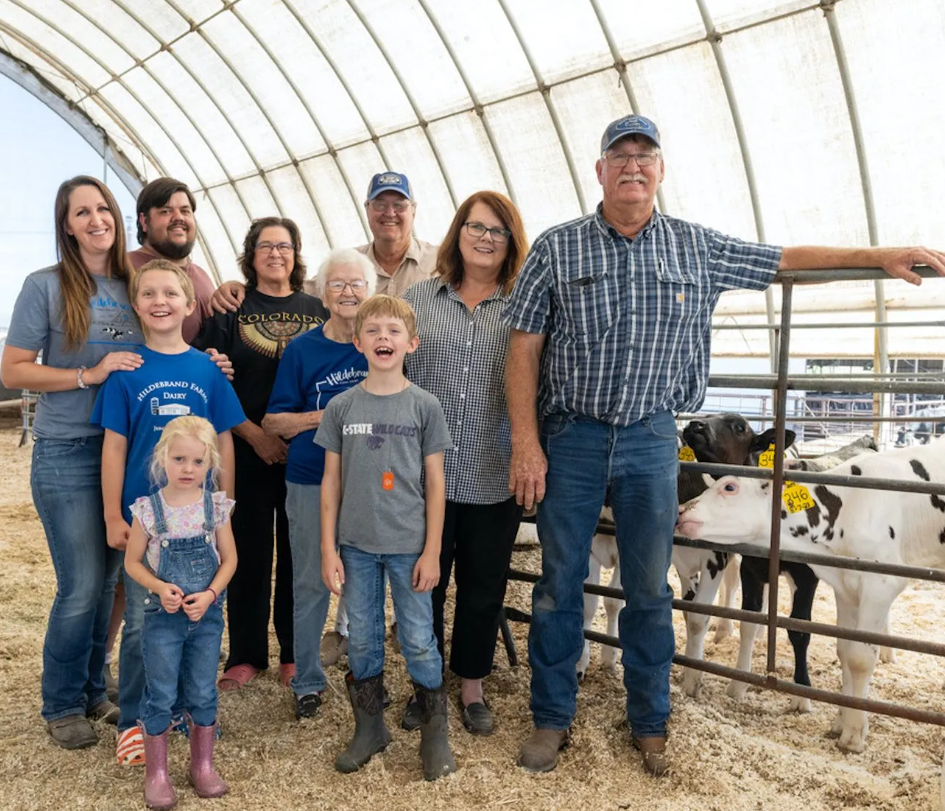
The Hildebrand Family
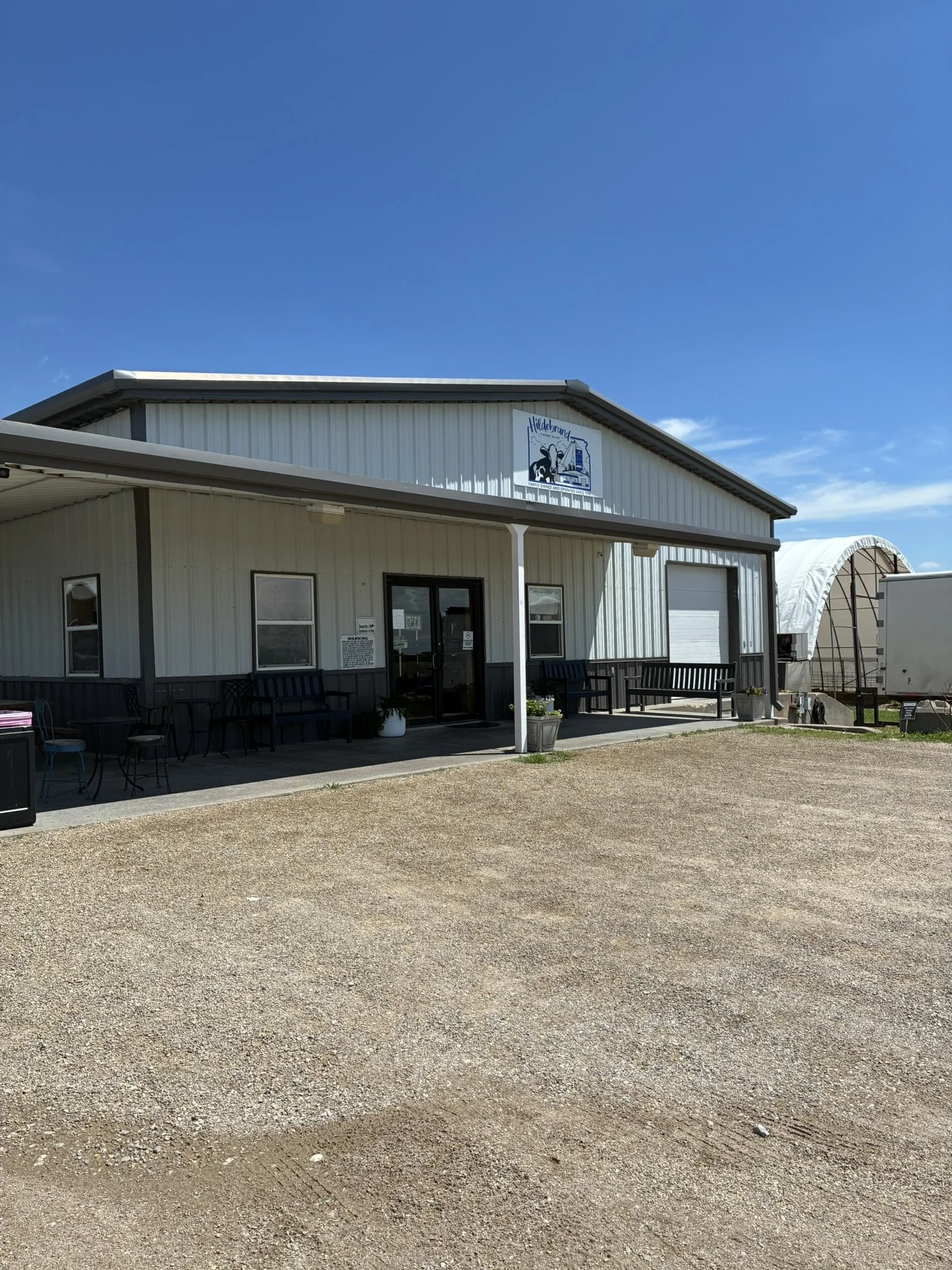
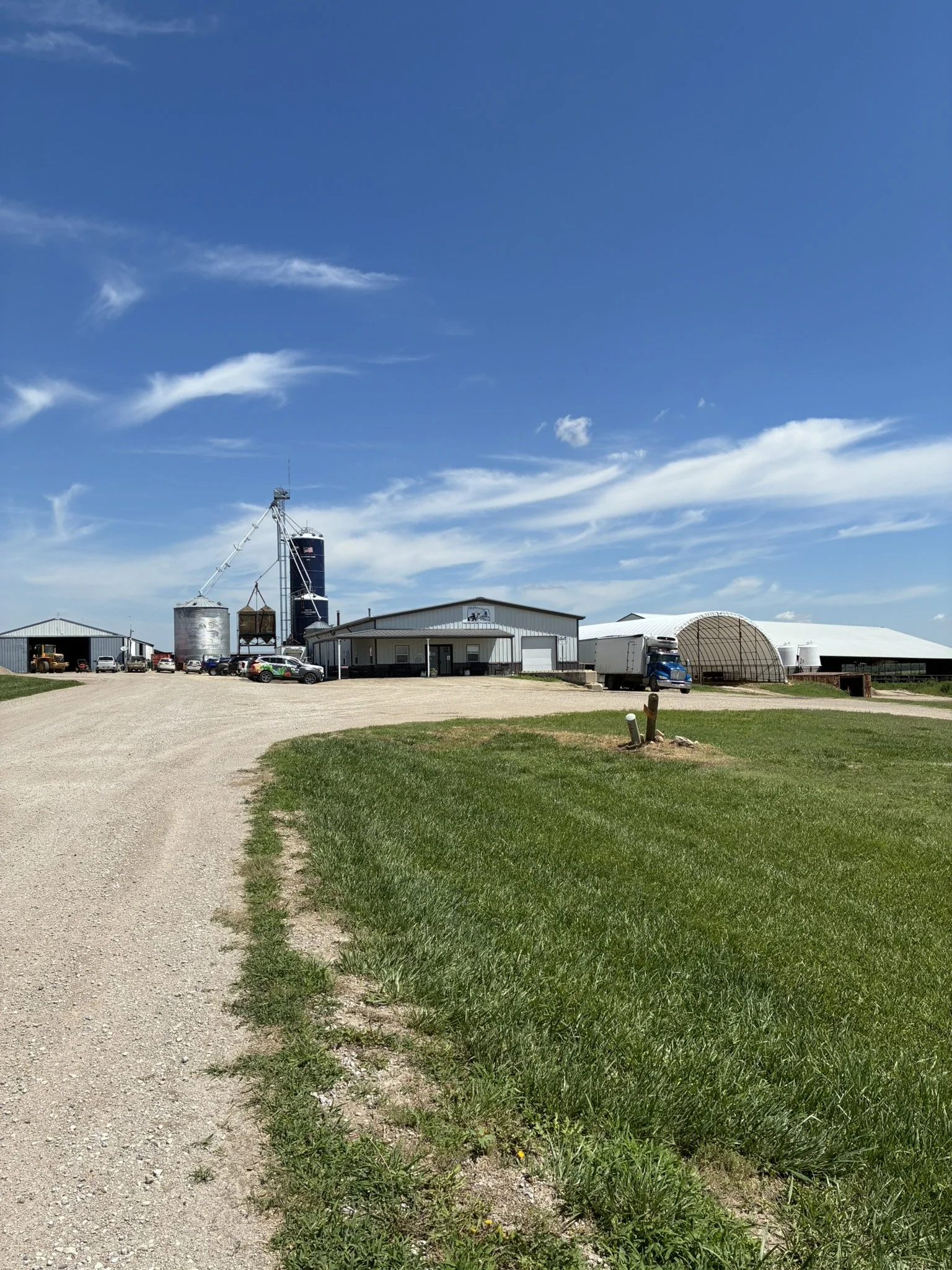
5210 Rucker Road Junction City, KS
Visit their website
About the Farmers
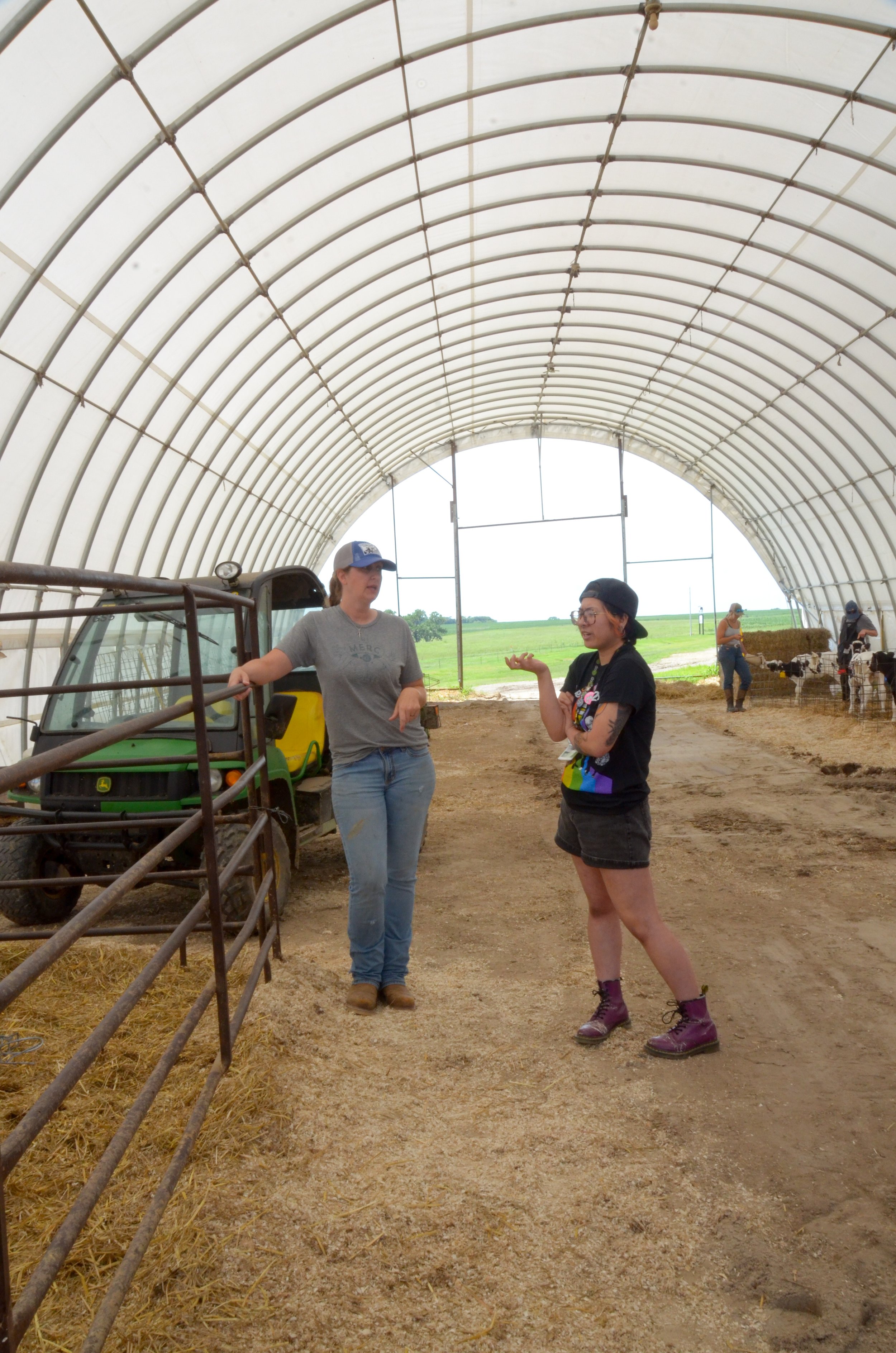
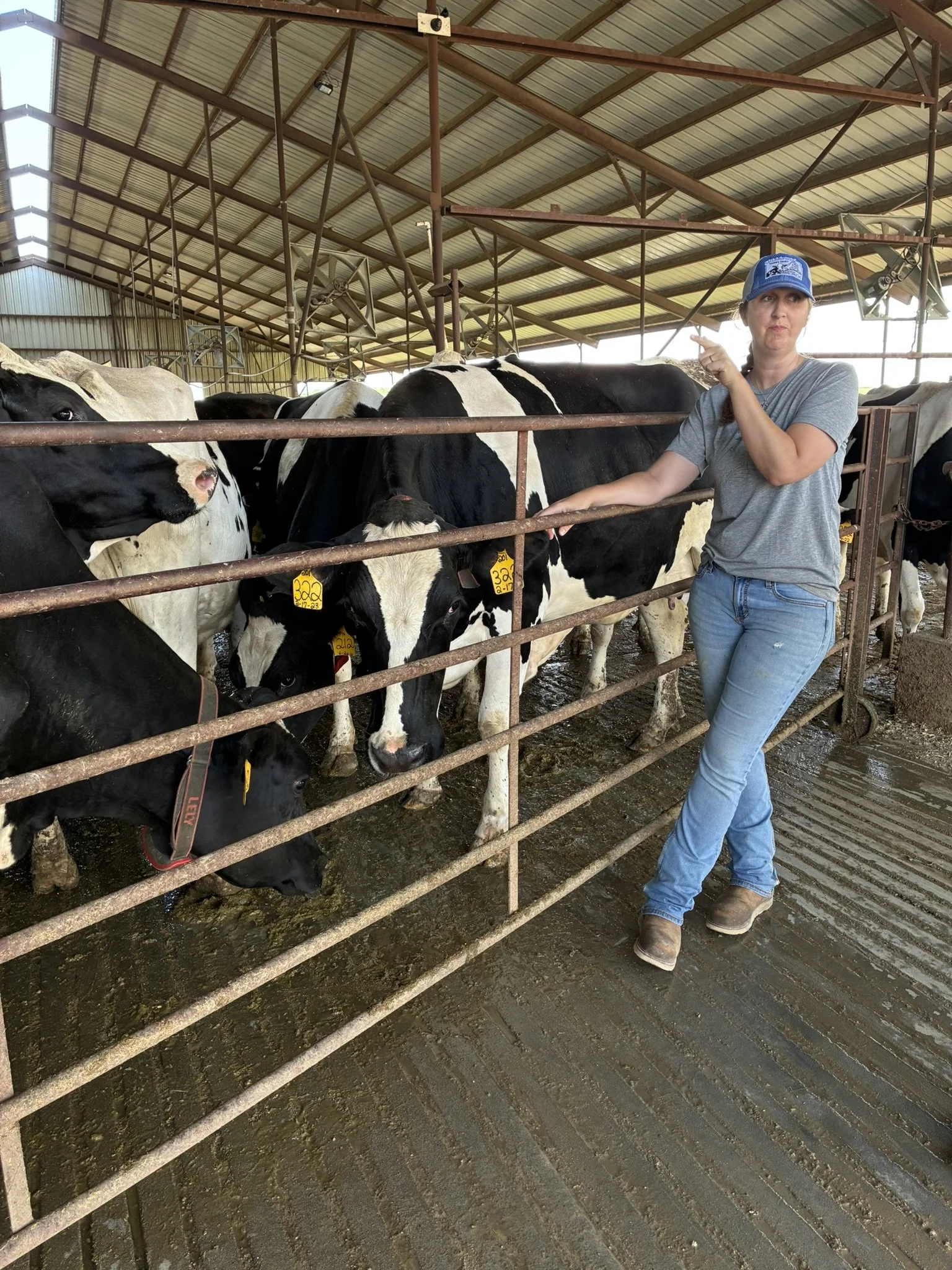
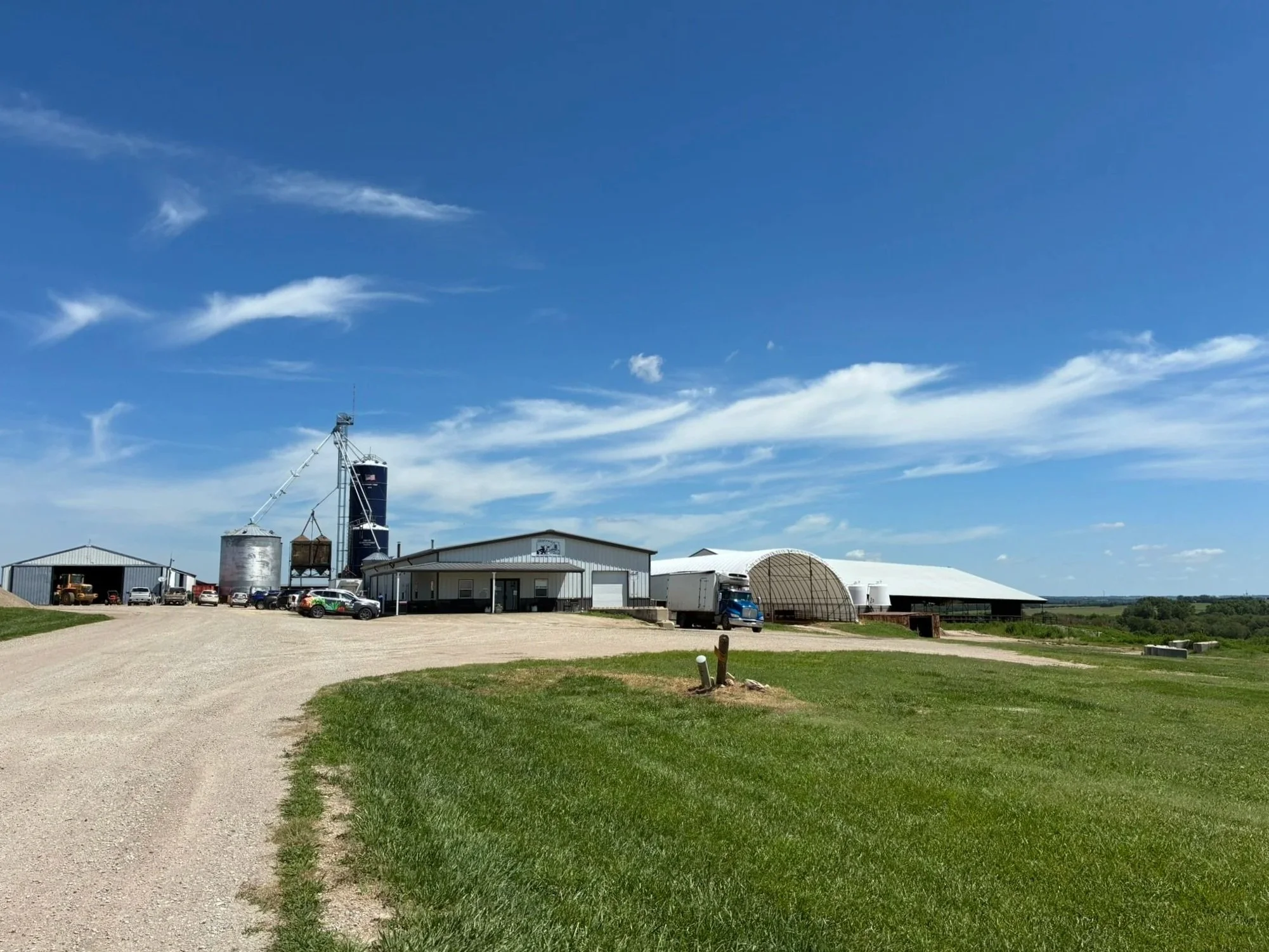
Swiss immigrants Rose and Arnold Hildebrand applied for their first permit to sell milk in Junction City in 1930. Each generation of the Hildebrand family since has continued building on their enterprise. In 1975 Carl and Margaret built their dairy barn and Hildebrand Inc. officially began. By 2008 the on-site glass bottling plant was operating. Operating Manager Melissa Hildebrand-Reed is part of the fourth generation to grow the dairy business and serves as an appointee to the Kansas Animal Health Advisory Board. She provided co-op staff a tour of their operations!
About the Cows
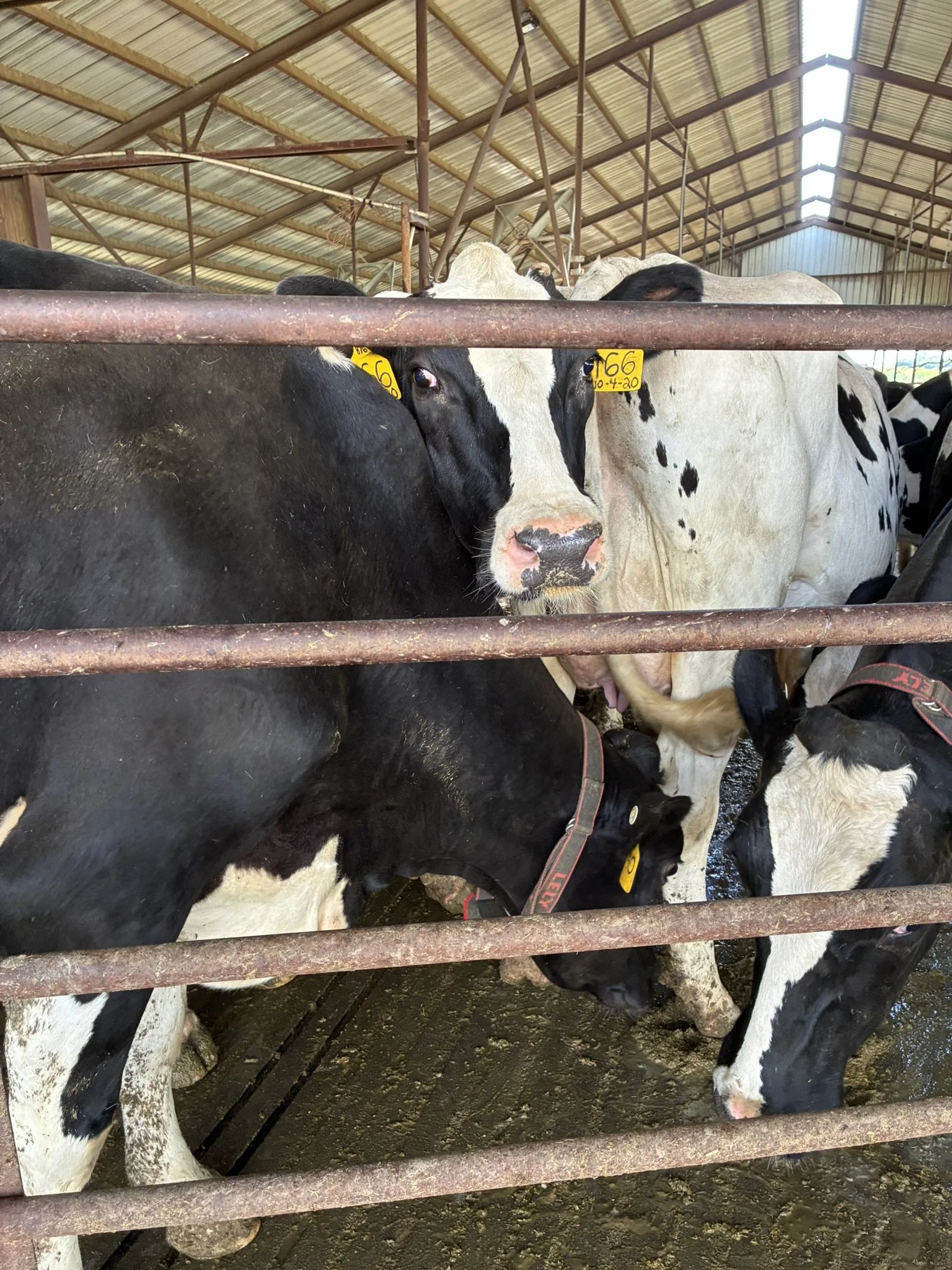
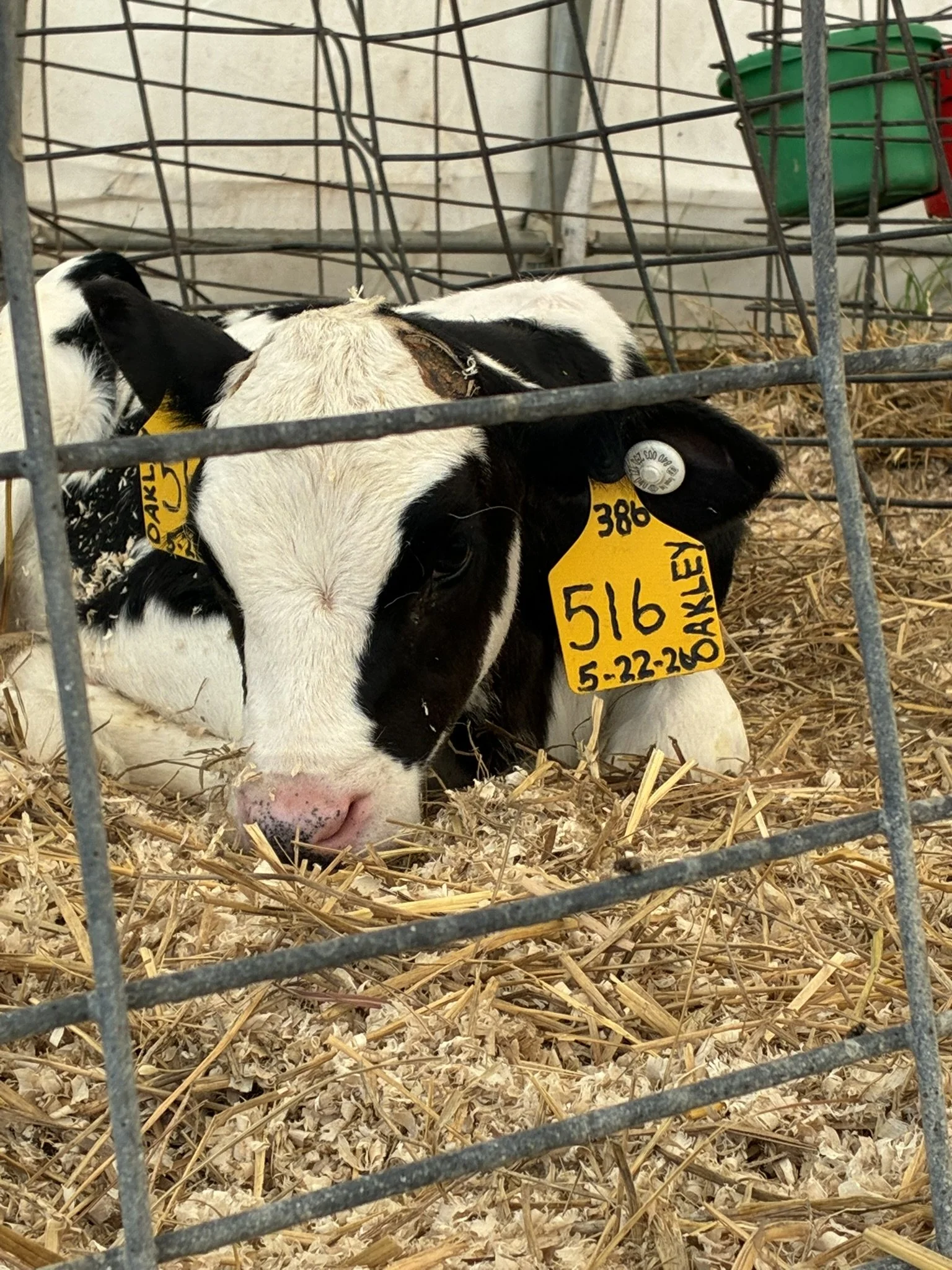
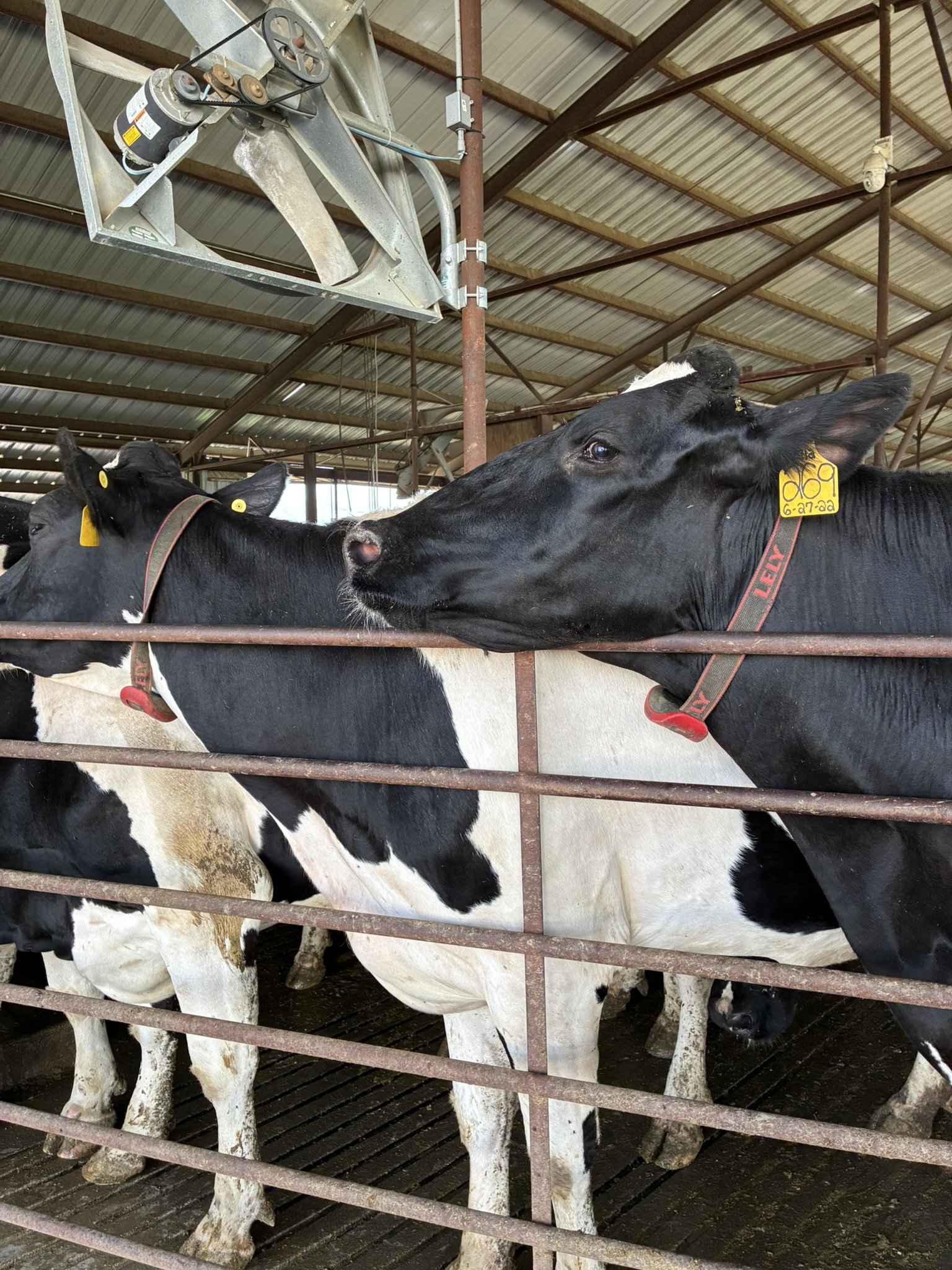
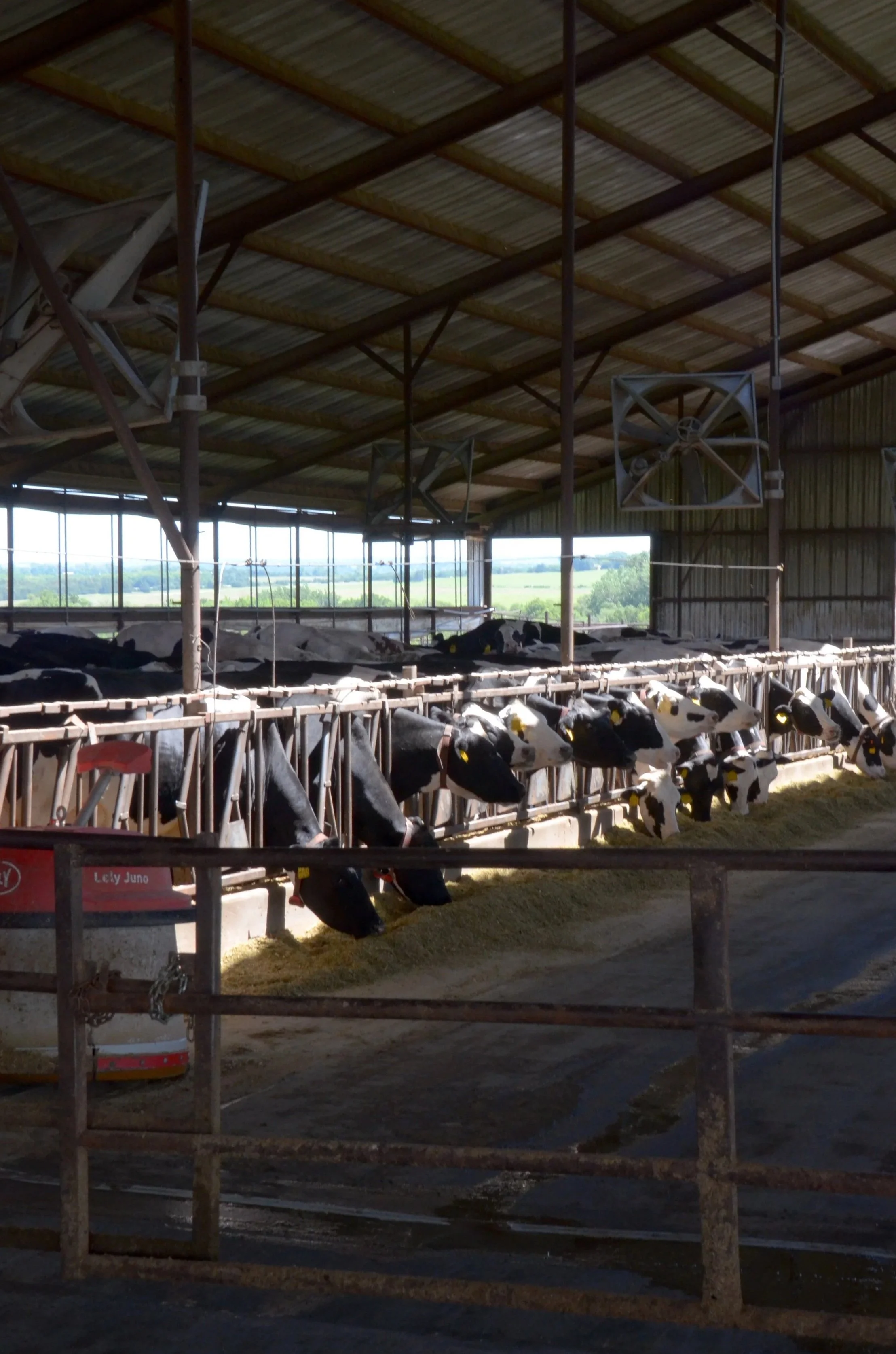
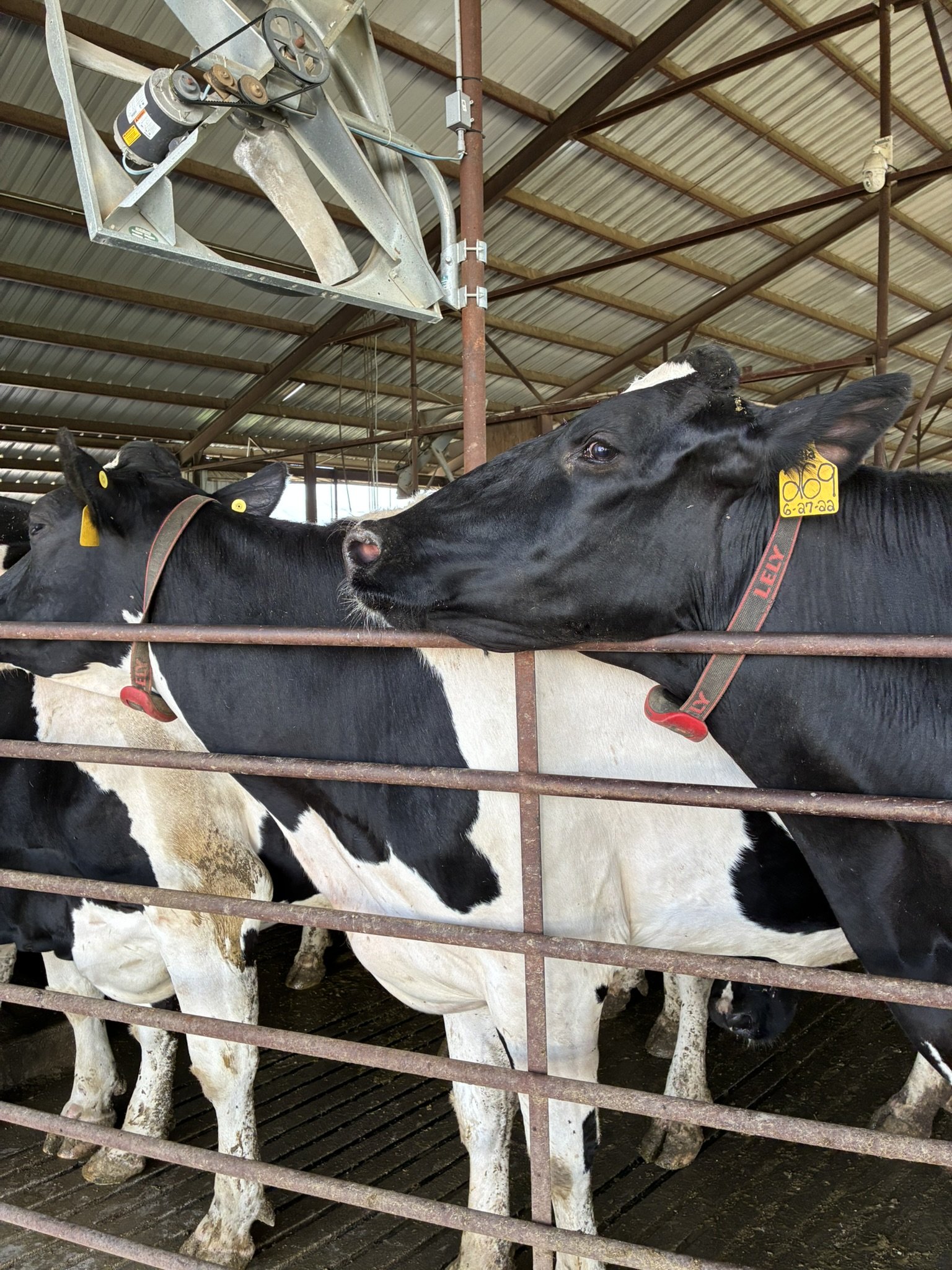
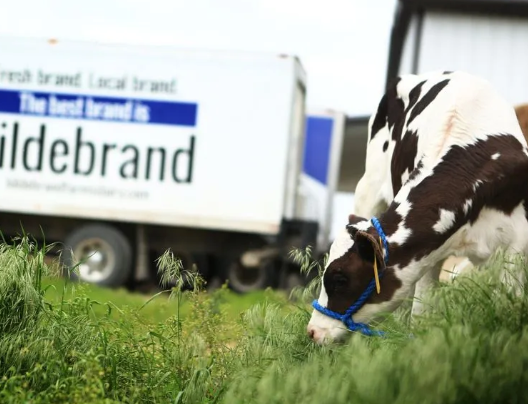
The Hildebrand dairy herd is about 120 cows including Sugar, Emma, Cashew, Red and Charger. Not all of the cows have names, but they all have personality. Melissa pointed out different cows, familiar with their quirks and habits. Their calves continue to live at the farm as well, usually at least two years. Some go on to join the dairy herd.
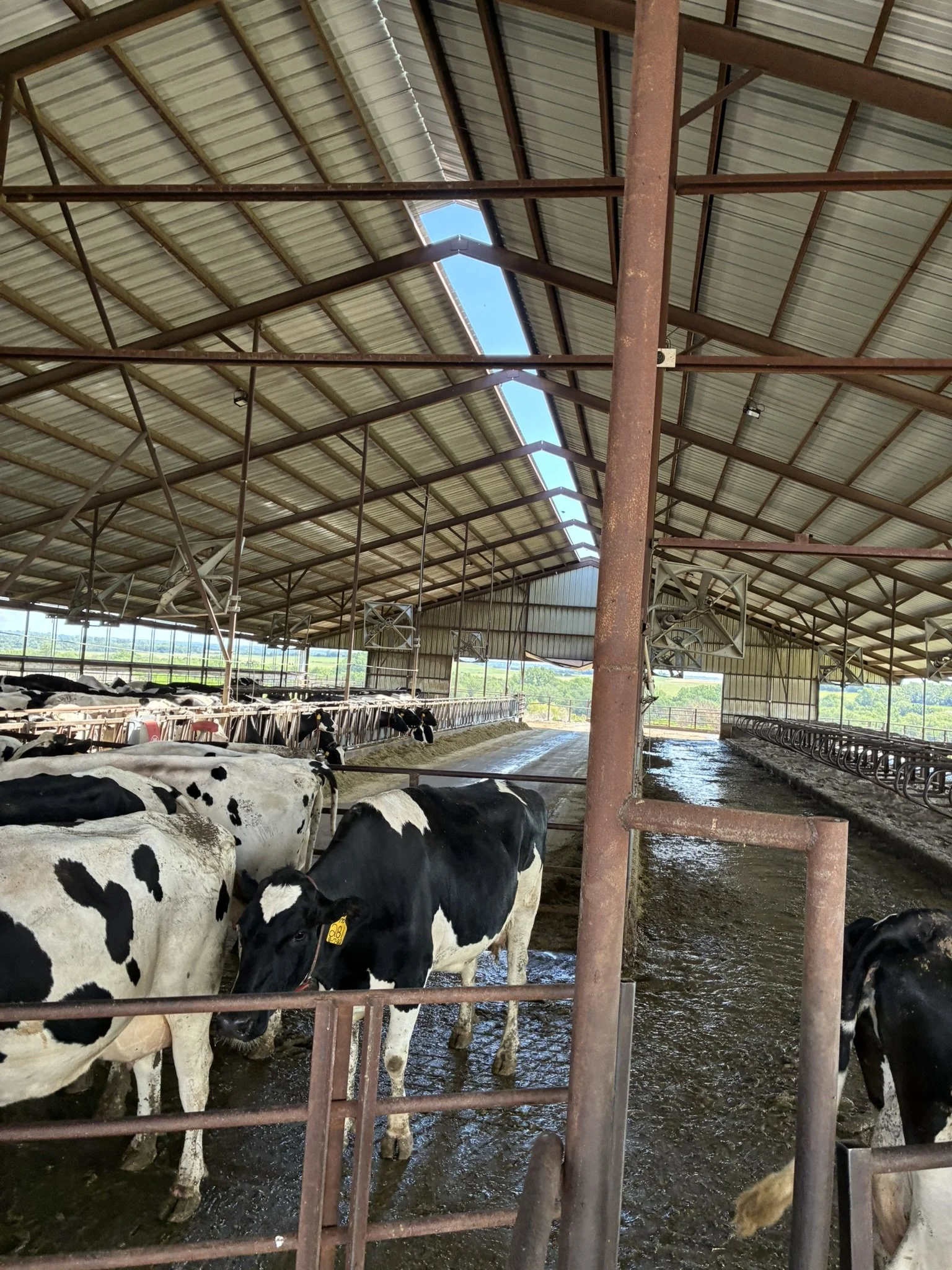
At Hildebrand, they grow all the feed for their animals, working with neighboring K-State for just the right blend. The cows have a sheltered space with beds for the night as well as pastures to range. They are divided into groups based on size and experience as mothers. There’s a special “vacation” pasture and pen for expecting mothers as well. Cows are much better suited for cold than heat and Melissa says the ideal temperature for cows is about 40 degrees. So, in the summer they like to stay under the shade with fans and misters to keep cool.
About the Dairy
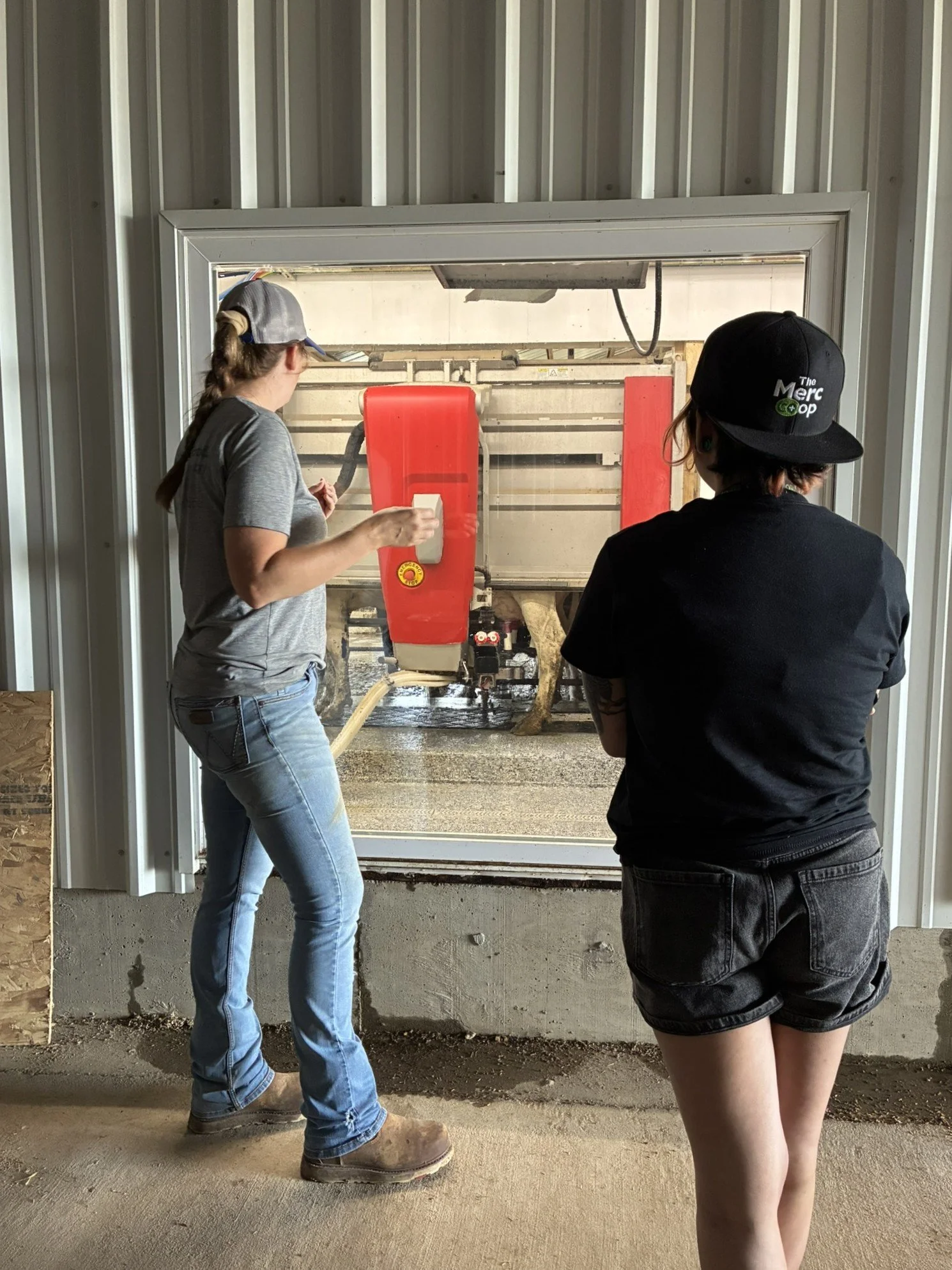
Unlike a typical dairy, where milk is picked up from various farms, everything at Hildebrand is self-contained: livestock management and dairy processing are distinct operations, but they’re all happening on site. “We embrace the health regulations — our top priority is quality,” said Melissa, sharing a wide range of daily tests and records they keep at their on-site lab. The most recent update to the dairy were two robotic milkers, which allows the cows to be milked any time they choose. As a cow approaches the milker, their tag is scanned and the machine tracks all the information on that unique cow from who the cow’s mother or grandmother is, when they were last milked and how much milk was produced.
“We used to milk twice per day, but most of our cows are choosing to be milked three times. So we’ve seen an increase in production without increasing the size of the herd.” The machine is also able to test the milk, and alerts Melissa if the cow has an increased white blood cell count for example, so the cows receive quick attention.
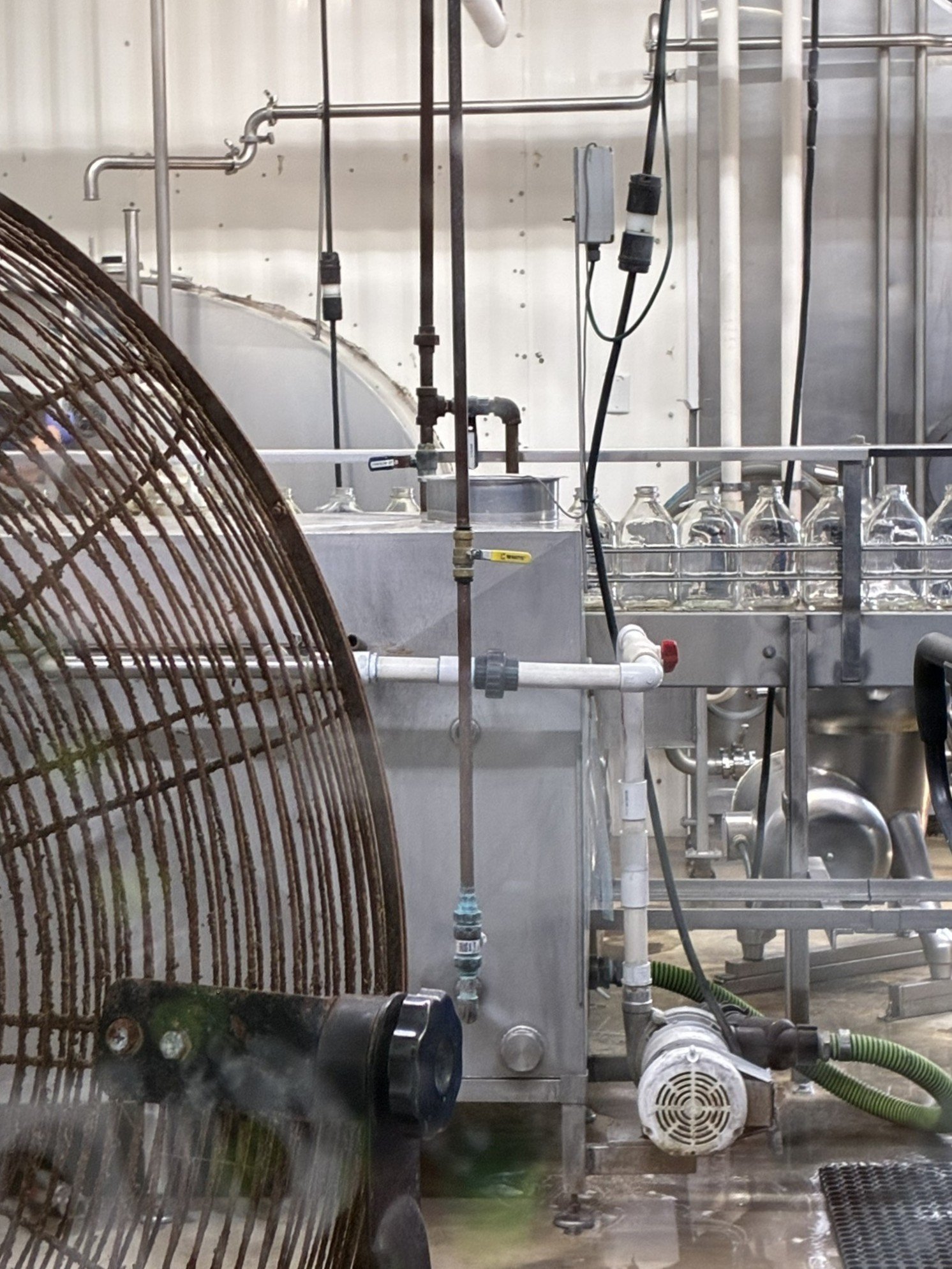
Milk moves directly to the processing and bottling facility next door. “The milk doesn’t see the light of day until it’s in the glass bottle,” Melissa said. “Quality is everything. What we milked in the morning is on the truck for Lawrence in the afternoon. What you will have delivered at The Merc today was milked in the last 24 hours.”
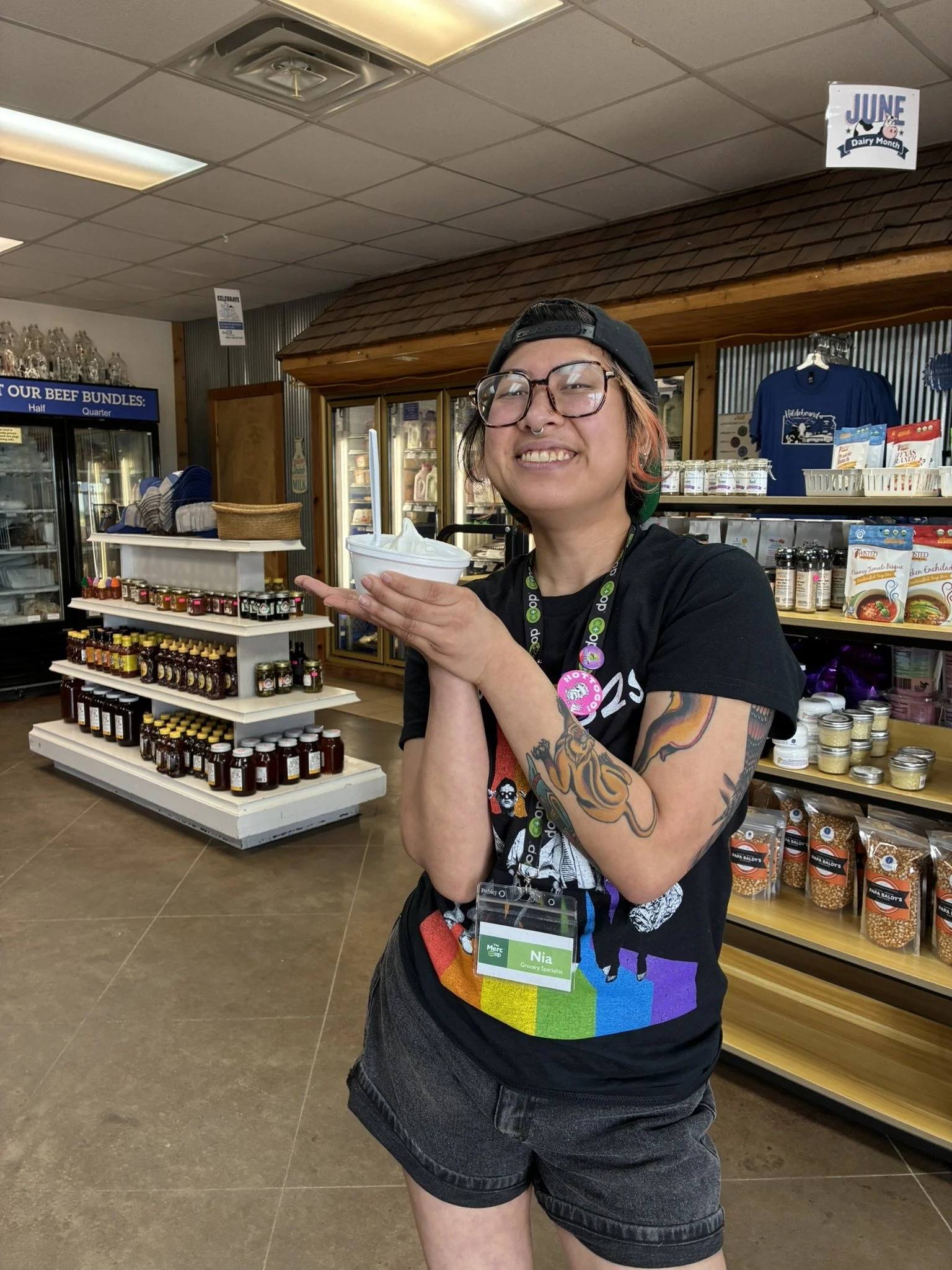
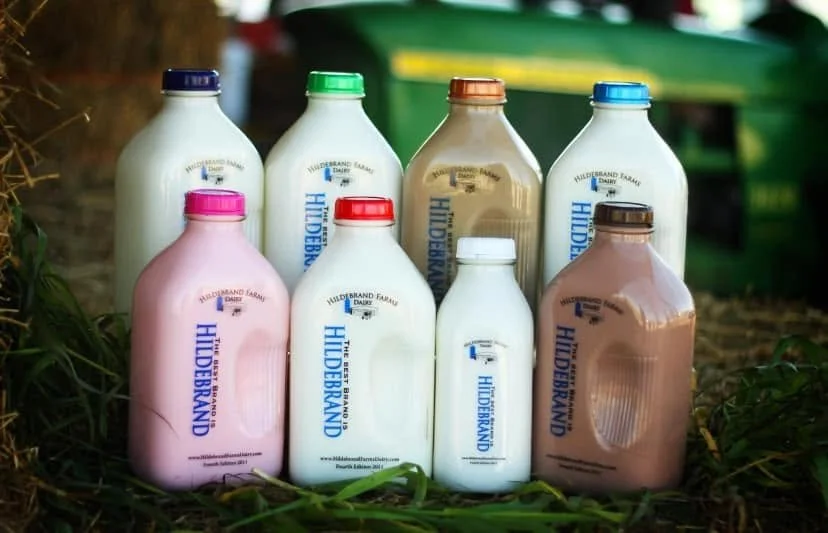
They began their glass bottle program in 2008. Shoppers pay a deposit for their first bottle, which is refunded when you bring it back to any of their partnering grocery stores to get your next bottle. One glass bottle is reused an average of 68 times, making a big impact to reduce single-use plastics. There’s also a store on site with all their products — including a few things you can’t find anywhere else: true buttermilk, ice cream and a variety goods from other local producers like popcorn, lip balm, hot sauce, honey and meats.
Today, Hildebrand Farms Dairy has seven varieties of milk and lemonade in more than 120 stores throughout Kansas. They’ve partnered with the co-op since 2012.